The Pause Before You Buy Crypto
A buy button makes crypto look simple. The decisions around it are not.

The app already has your payment method. The chart is moving. The Buy button is right there.
This is the moment when crypto can feel almost too easy. A few taps can turn dollars into a balance on a screen before you have worked out what you bought, where it lives, how you would move it, or what you would do if something went wrong.
So give yourself a pause.
Not a week-long research project. Not a prediction about where the price goes next. Just enough time to answer the questions that become much harder after money moves.
The goal is not to eliminate every risk. That is impossible. The goal is to avoid taking a risk you did not realize you were taking.
You can also watch the full lesson here: Crypto for Beginners: 7 Decisions Before You Buy.
Start with what you expect this purchase to do

Imagine a friend asks why you picked this particular asset. Could you answer without mentioning the price chart, a celebrity, or the person who told you about it?
Try one sentence: “I am considering this asset because…”
If the sentence falls apart, that is useful information. You may not know what the asset does, what gives it value, or what would prove your idea wrong. You may only know that the price moved and people are talking about it.
That is not the same as understanding the purchase.
Start with the basic function. Is the asset intended to pay network fees, represent access to a service, track something else, or simply trade in a market? Who created it? Is there a public explanation of how it works? What rights, if any, come with owning it? The CFTC tells buyers to research the rights attached to a coin or token and the factors that could affect its value.
Then separate the asset from the story surrounding it. A project can have a polished website, an active community, and an impressive technical vocabulary without giving you a clear reason to buy. Marketing tells you what the seller wants you to notice. Your job is to find what the marketing leaves out.
Ask what could make your reason wrong. If your entire explanation depends on more buyers arriving later, say that plainly. If you cannot identify the risk, you probably have not reached the end of the research.
The app will let you tap Buy long before you can explain any of this. That is convenient for the app. It is not a deadline for you.
A useful pause: Write down the reason in ordinary language. If it only makes sense when you use insider terms, keep working until you can explain it without them.
Follow the money before you send it
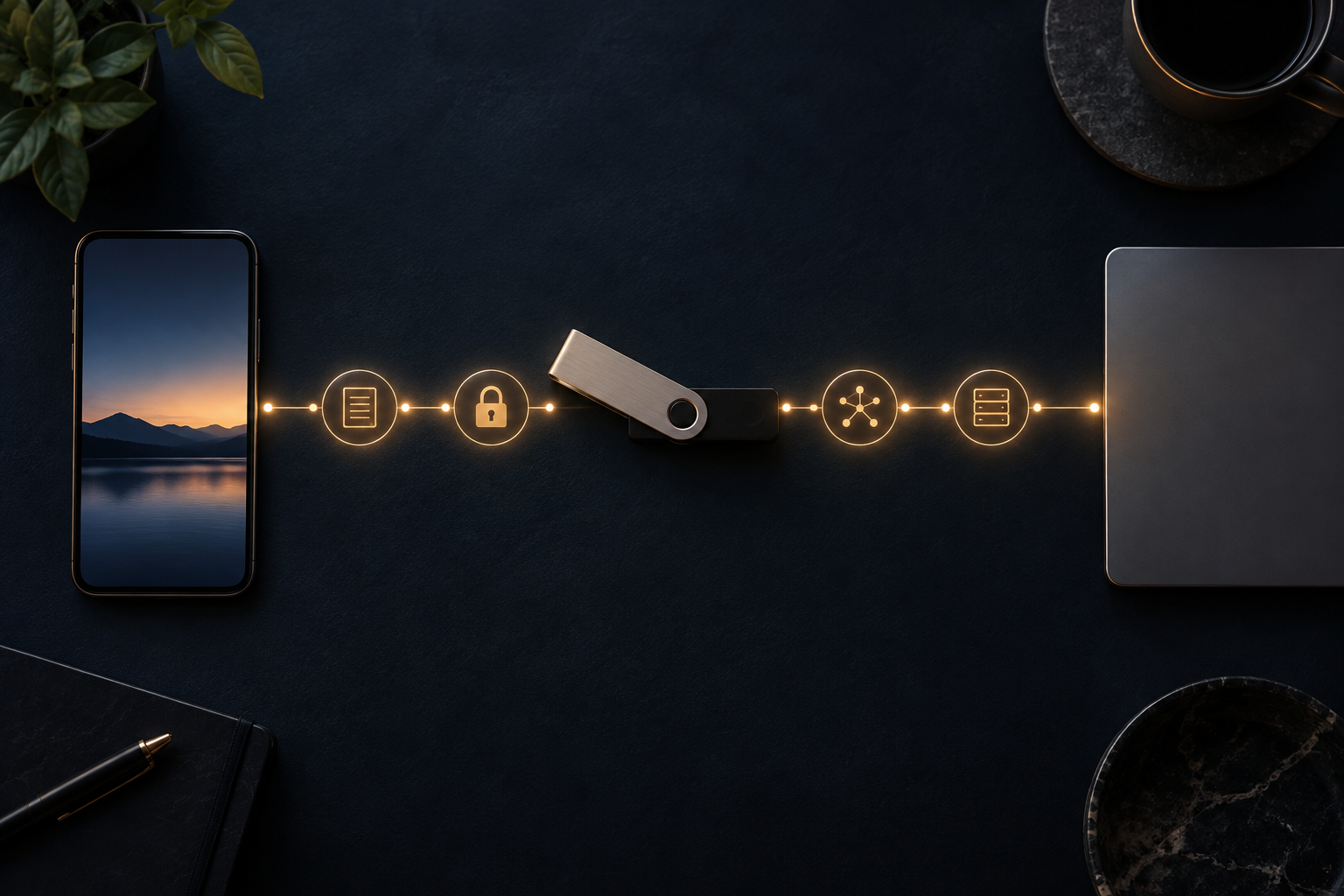
A purchase screen hides a surprising number of moving parts. There is the asset. There is the network that records transfers. There is the platform showing the balance. There may also be a wallet or a third-party custodian controlling the keys.
Those pieces can work together, but they are not the same thing.
Before buying, picture the next step. If you wanted to move the asset tomorrow, where would it go? Which network would you use? Does the receiving service support that exact asset and network? Would it require a memo or tag in addition to the address?
This thought experiment catches a common problem: people learn the transfer route while they are already trying to send. That is a stressful time to discover that two assets share a similar name, a platform does not support a network, or an extra identifier was required.
It also helps to separate a purchase from a withdrawal. A platform may allow you to buy an asset but limit when, where, or how you can withdraw it. There may be a waiting period, minimum amount, identity check, network fee, or list of supported destinations. Those rules can change, so check the provider’s current instructions before you rely on them.
When you eventually transfer, slow down again. Compare the first and last characters of the address. Confirm the selected network on both sides. Get instructions through the official app or website that you opened yourself—not through a link in a message. If the destination uses a memo or tag, confirm it before sending.
The FTC says crypto payments typically do not carry the dispute protections associated with credit and debit cards, and they are typically not reversible. When practical, a small test transfer can limit the amount exposed to a mistake, although it does not remove the risk or the fee.
A useful pause: Before buying, locate the provider’s withdrawal instructions and identify the exact route you would use. You do not have to move the asset; you do need to know whether the route exists.
Decide which custody problem you are willing to own

The phrase “my crypto” can describe two very different situations.
In self-custody, you control the private keys. You are less dependent on a provider, but you become responsible for protecting the wallet, the key, and the recovery phrase. If those credentials are lost or exposed, there may be no reset button and no customer-service department that can reverse the result.
With third-party custody, a provider controls the keys. You may get a familiar login, account recovery, and a simpler interface. In return, you depend on that company’s security, policies, operations, and financial condition. Investor.gov warns that customers may lose access if a custodian is hacked, shuts down, or goes bankrupt.
That last point can feel abstract until you think about the relationship. When an exchange controls the assets and the keys, you may effectively be relying on the exchange to honor your claim. If the company fails, freezes withdrawals, or enters bankruptcy, getting access back can become a legal and operational problem—not just a password problem.
Self-custody creates a different concentration of risk: you. A recovery phrase photographed on a phone, stored in email, typed into a fake support page, or left where someone else can find it can defeat the security of the wallet itself. A perfectly secure device cannot protect a recovery phrase that was handed to a scammer.
This is not a contest where one side always wins. It is a choice between different responsibilities. Ask who controls the keys, how recovery works, whether the provider can lend or otherwise use deposited assets, and what happens if the provider fails. If you choose self-custody, decide how the recovery information will be protected before funding the wallet.
One rule does not change: never share a private key or seed phrase. Anyone who needs either one to “help” you is asking for control of the wallet.
A useful pause: Finish this sentence: “If access fails, my recovery path is…” If you do not know the answer, solve that before the balance grows.
Leave a trail for your future self
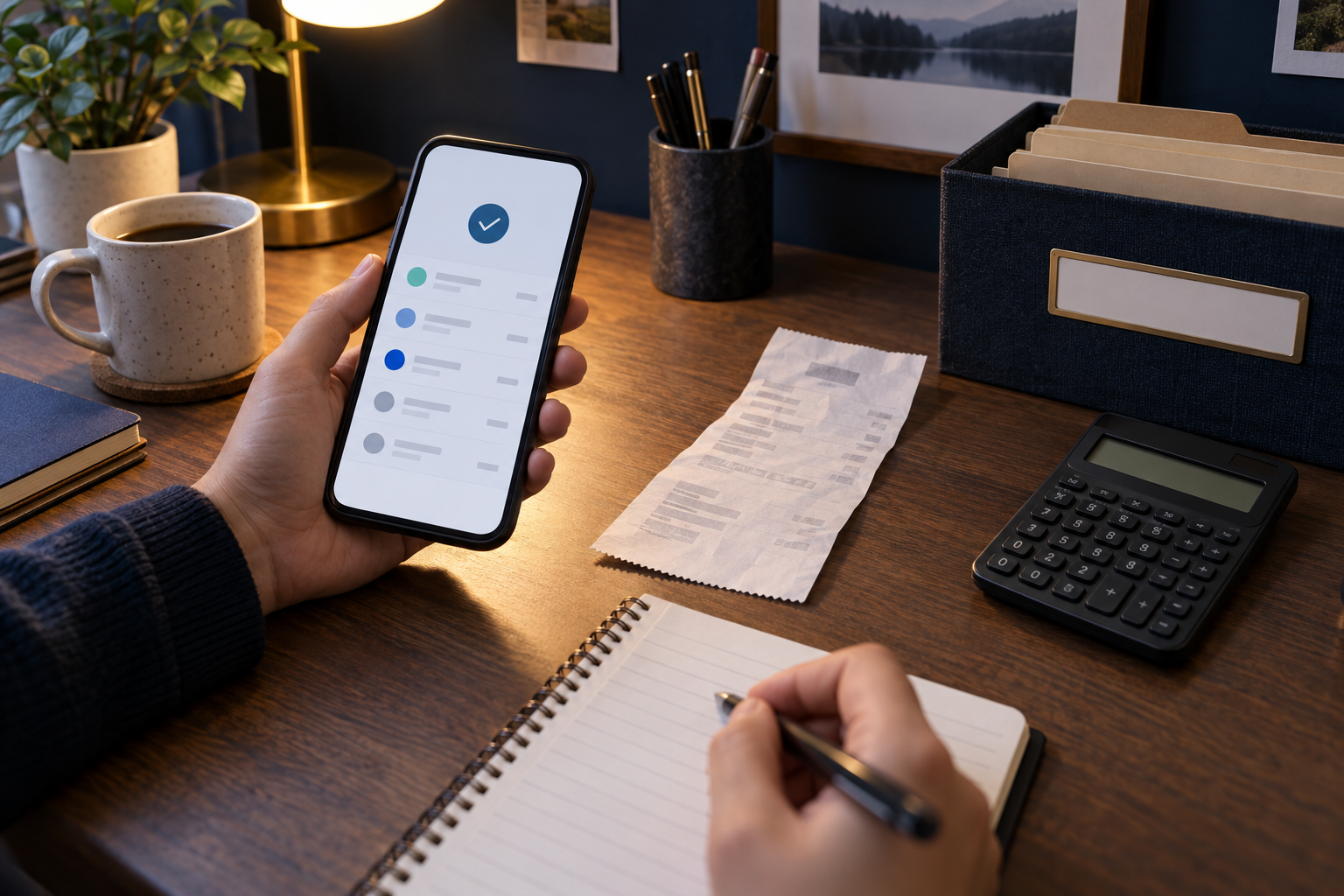
The moment you buy is also the easiest moment to save the record.
Keep the date and time, the asset, the number of units, the value in U.S. dollars, the fee, the platform or wallet involved, and any transaction ID. Save statements while they are easy to find. Six months from now, “I think I bought it sometime in March” will not feel like a recordkeeping system.
This becomes more important when assets move between your own accounts. A transfer may show up as an outgoing transaction in one place and an incoming transaction somewhere else. Without the addresses, timestamps, and transaction ID, the two sides can look unrelated later.
Do not rely on one app to keep every record forever. Platforms can change their export tools, close accounts, or disappear. Download available statements and store them with your other financial records. Use a consistent file name so you can find the record without opening a dozen screenshots.
This matters for more than organization. The IRS says digital-asset transactions must be reported whether or not they produce a taxable gain or loss, and taxpayers must keep enough records to support positions on their federal returns. The treatment of a particular transaction depends on the facts, so use current IRS guidance or a qualified tax professional when needed.
Also count the costs before buying. The displayed price may sit beside a spread, trading fee, network fee, withdrawal fee, device cost, or account charge. A small purchase can be affected more heavily by fixed fees than a larger one. Current numbers can change, so check them at the point of action rather than relying on an old example.
A useful pause: Create the folder before the purchase. Saving the first record is easier when you already know where it belongs.
Know what makes you close the app
You should not have to improvise when someone is pressuring you.

Decide in advance what ends the conversation. A guarantee of profit. A claim that there is little or no risk. An unexpected message offering investment help. A demand for payment in crypto. A request for a password, private key, seed phrase, or remote access.
The FTC identifies guaranteed returns, impersonation, and unexpected contact as recurring scam patterns. A scammer may sound patient, professional, or technically impressive. They may let you withdraw a small amount to build confidence. They may create a convincing support page or tell you that a payment is required to release your money. None of that changes the stop rule.
Pressure is often the mechanism. The person wants you to act before you verify. They may say an account is in danger, a special opportunity will close, or a tax or fee must be paid immediately. The details change, but the intended effect is the same: keep you inside the conversation they control.
Break that control. Leave the conversation. Do not call the number in the message. Open the official app or type the known website address yourself. Use a phone number or support route you found independently. Ask someone you trust to look at the situation without the countdown running in the background.
If the claim is real, it will survive a pause.
A useful pause: Choose the person you will contact when something feels wrong. A stop rule works better when it includes the next safe action.
Make the pause easy to repeat
You do not need a perfect answer to every crypto question before making any decision. You do need enough clarity to describe what you are doing and where the main risks sit.

The easiest way to make that happen is to use the same short routine every time. Keep it somewhere you will actually see it—beside the computer, in a note on your phone, or in the folder where you store your records.
Before the Buy button, ask:
Why this asset?
What could I lose besides the price going down?
Who controls the keys?
How would I move it safely?
What will it cost, and what records will I need?
What pressure or request makes me stop?
Then add a cooling-off rule that fits the situation. For an unexpected message or urgent request, the rule may be simple: do nothing until you have verified it independently. For a planned purchase, it might mean reviewing the answers away from the app before returning.
The pause should be small enough that you will use it and specific enough to interrupt autopilot. If it becomes a forty-page research assignment, you may avoid it. If it is only “be careful,” it will not change the decision.
Write the answers down. If one is missing, the button will still be there after you find it. If the opportunity disappears because you took time to understand it, that tells you something too.
Download the free Crypto Safety Checklist for a printable version of the core checks. For a more structured next step, explore the Crypto Safety Starter Kit (paid).
Sources and further reading
Investor.gov — Crypto Asset Custody Basics for Retail Investors
Federal Trade Commission — What To Know About Cryptocurrency and Scams
Commodity Futures Trading Commission — Use Caution When Buying Digital Coins or Tokens
Education and AI disclosure
This content is for general educational purposes only. It is not financial, investment, legal, tax, cybersecurity, or professional advice, and it does not recommend any crypto asset, platform, wallet, custodian, allocation, or transaction.
Evan is a fictional AI presenter. AI tools assisted with narration and visual production. The Crypto Passage reviews and approves the research, claims, scripts, and final content before publication.